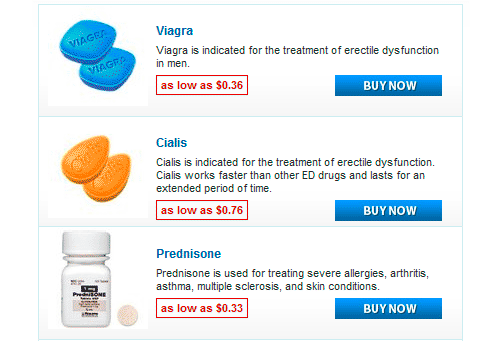

Scammers often begin by posing as representatives from legitimate pharmacies or healthcare providers. They might call unsolicited, claiming to offer discounted Viagra or other medications. They frequently pressure victims into immediate payment, promising fast delivery.
Another tactic involves a “free trial” offer. Victims receive a package, but are then billed exorbitant amounts for the “trial,” often with recurring charges they didn’t authorize. Aggressively deceptive marketing materials might mask the true costs.
Some scams utilize phishing techniques. They’ll send emails or texts with links to fake websites mimicking legitimate online pharmacies. Entering personal or financial information on these sites directly provides scammers with access to your data.
Here’s a summary of common tactics in table format:
| Unsolicited Calls | Claims of discounted medication, pressure for immediate payment. | Never provide payment information over the phone to an unknown caller. |
| “Free Trial” Offers | Hidden costs, recurring charges, deceptive marketing. | Scrutinize the terms and conditions; avoid unsolicited offers. |
| Phishing Websites | Fake online pharmacies; requests for personal information. | Verify website legitimacy; avoid clicking suspicious links. |
Remember: Legitimate pharmacies rarely contact individuals unsolicited to offer medication. Always verify the identity of any caller before providing personal or financial information. Report suspicious activity to the appropriate authorities.